
Professor Samuel Boakye Dampare
Professor Samuel Boakye Dampare https://nuclearpowergh.com/wp-content/themes/npg/images/empty/thumbnail.jpg 150 150 Nuclear Power Ghana https://nuclearpowergh.com/wp-content/themes/npg/images/empty/thumbnail.jpg…

 Nuclear Power Ghana
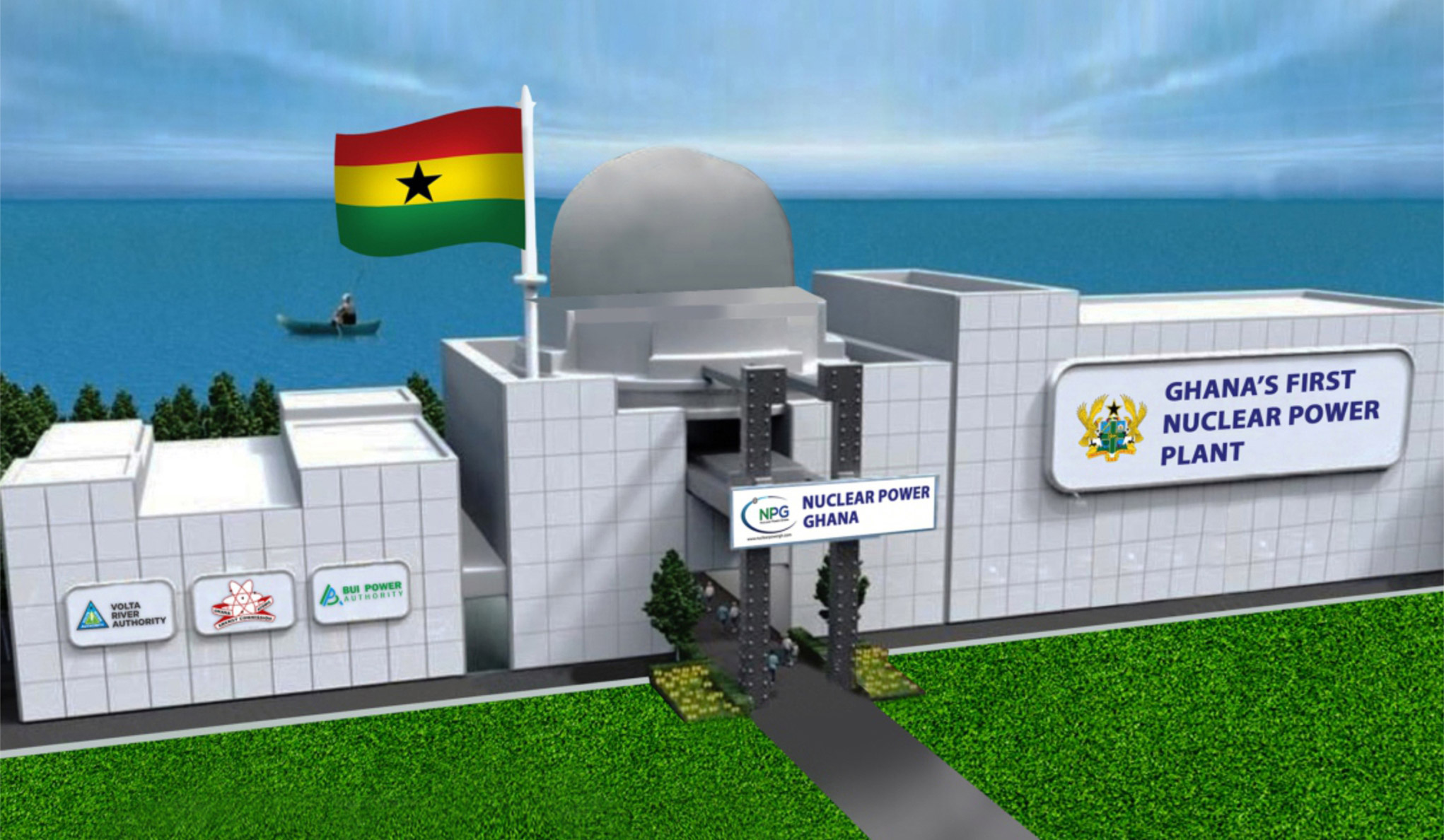
Nuclear energy isn’t just about generating electricity—it’s about unlocking opportunities that can revolutionise Ghana’s economy. Nuclear energy has the potential to serve as a transformative force for Ghana’s economy, extending far beyond electricity generation.
With industries like aluminium, iron and steel production heavily reliant on energy-intensive processes, introducing nuclear energy could be a game-changer. These sectors, rich in local raw materials, would benefit significantly from a steady and reliable power source, enabling optimal operations, boosting productivity, creating jobs, and fostering economic growth.
Nuclear energy creates a multiplier effect by generating jobs, inspiring advancements in science, health care, engineering, and STEM education, and can position Ghana as a knowledge exporter in the West African sub-region. With nuclear expertise, Ghana can lead the West African region in sustainable energy and technology. Nuclear-powered desalination plants can provide fresh water for agriculture, industry, and domestic use.
#Imagine Ghana as an industrial powerhouse!
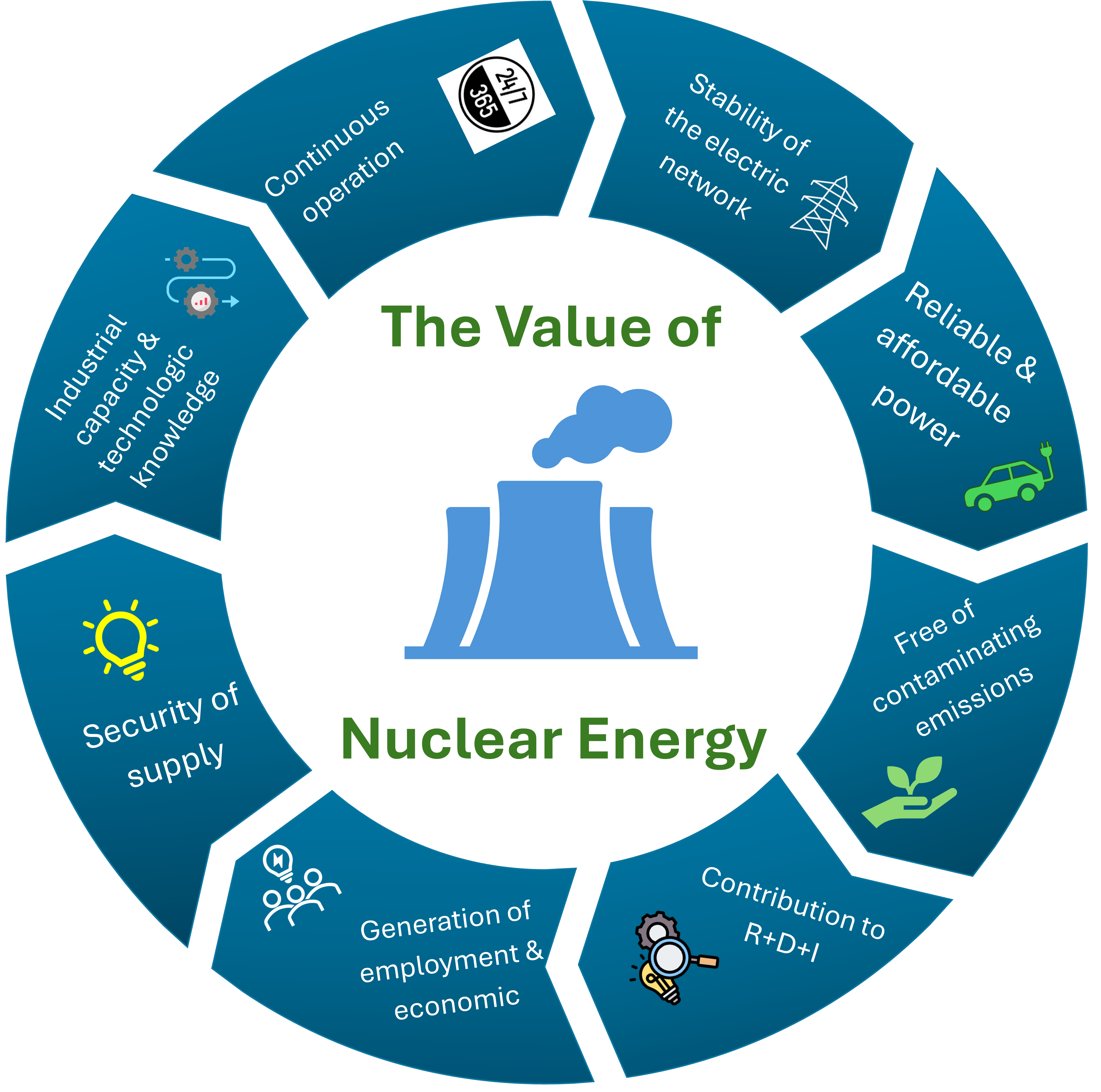
Nuclear power produces no harmful greenhouse gases or pollutants, unlike fossil fuels, aiding in carbon emission reduction and climate change combat.
Nuclear power ensures energy security with cost-effective, reliable, and eco-friendly electricity. It offers the highest capacity factor, uses dense fuel, and emits no greenhouse gases. The Ghanaian government is committed to providing stable, affordable electricity.
The long-term cost of generating electricity from nuclear power is generally lower than other sources like coal or natural gas.
Nuclear power plants generate large amounts of electricity from minimal fuel, making them highly efficient and effective.
…
…
…
…